Trezor Bridge – The Secure Link Between Your Trezor Wallet and Browser
4
What Is Trezor Bridge?
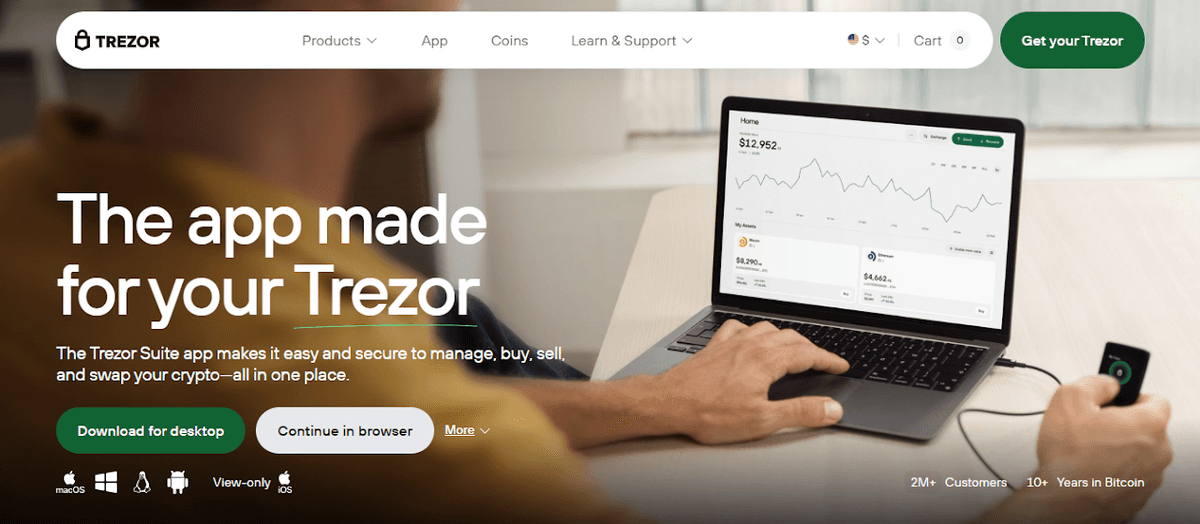
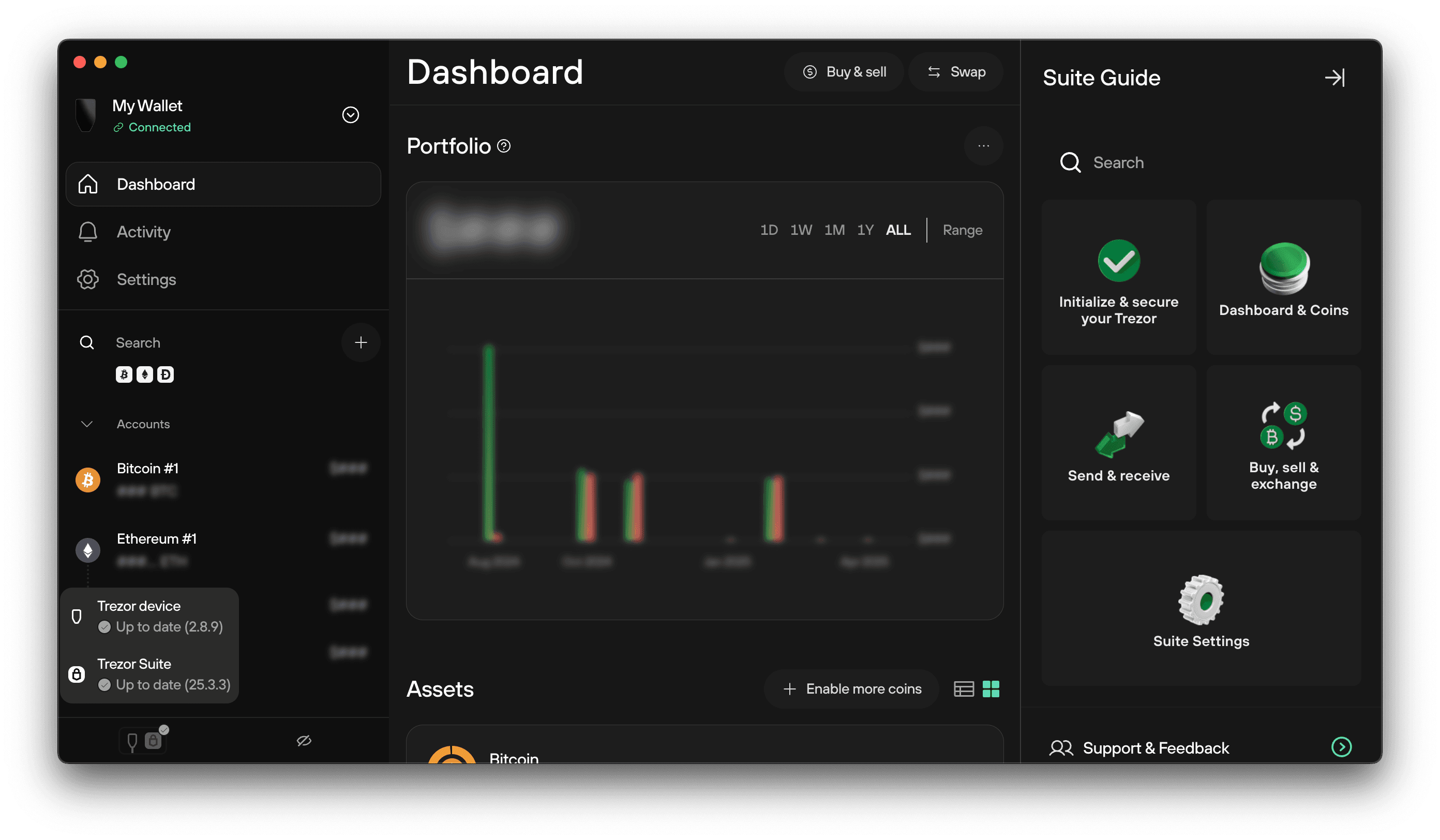
Trezor Bridge is a lightweight background application that enables secure communication between your Trezor hardware wallet and your web browser. It acts as a communication layer that allows supported wallet interfaces—such as Trezor Suite—to interact with your device safely and efficiently.
Instead of relying on outdated browser extensions, Trezor Bridge runs locally on your computer. This ensures a stable, encrypted connection between your browser and your Trezor hardware wallet without exposing sensitive data to online threats.
In simple terms, Trezor Bridge is the secure translator that connects your hardware wallet to the digital world.
Why Trezor Bridge Is Essential
Cryptocurrency security depends heavily on protecting private keys. Devices like the Trezor Model One and the Trezor Model T store private keys offline, making them immune to most online hacking attempts.
However, when you want to send crypto, verify balances, or approve transactions, your hardware wallet must communicate with your computer. Trezor Bridge makes this possible—securely.
Key Reasons It Matters:
- Encrypted Communication: All data exchanged between your browser and wallet is securely transmitted.
- No Browser Plugins Needed: Eliminates dependency on potentially vulnerable extensions.
- Improved Stability: Works consistently across major browsers.
- Automatic Background Operation: Runs silently without interrupting your workflow.
Without Trezor Bridge, browser-based wallet management would not function smoothly or securely.
How Trezor Bridge Works
Understanding how Trezor Bridge functions highlights its importance in crypto security.
- You connect your Trezor device via USB.
- Trezor Bridge detects the device instantly.
- A secure local connection is established.
- Your browser communicates with Trezor Bridge.
- Transaction requests are sent to the hardware wallet.
- You physically confirm transactions on the device.
Crucially, your private keys never leave the hardware wallet. Even if your computer is infected with malware, attackers cannot access your keys because all signing happens directly on the device.
This architecture dramatically reduces attack vectors compared to software-only wallets.
Security Advantages of Trezor Bridge
Security is the core purpose of Trezor Bridge. It enhances protection in several important ways:
1. Local Communication Only
Trezor Bridge operates locally on your system. It does not rely on cloud servers, which reduces interception risks.
2. Physical Confirmation Required
Every transaction must be manually approved on your Trezor device, preventing remote theft.
3. Reduced Phishing Exposure
Because it connects directly with trusted wallet interfaces, it minimizes exposure to malicious browser extensions or fake plugins.
4. Future-Proof Design
Modern browsers frequently update security policies. By eliminating extensions, Trezor Bridge remains compatible with evolving browser standards.
Installation and Setup
Installing Trezor Bridge is straightforward and user-friendly.
- Visit the official Trezor website.
- Download the version compatible with Windows, macOS, or Linux.
- Run the installer.
- Restart your browser if required.
- Connect your Trezor device.
Once installed, the software runs quietly in the background. You don’t need to launch it manually every time you use your wallet.
Trezor Bridge vs. Browser Extensions
Before Trezor Bridge, hardware wallets relied on browser extensions for connectivity. While functional, extensions posed several risks:
- Vulnerability to browser security changes
- Higher exposure to malicious add-ons
- Maintenance challenges
Trezor Bridge replaced this system with a more secure, system-level communication tool. The result is improved reliability, stronger encryption, and better long-term support.
Who Needs Trezor Bridge?
You need Trezor Bridge if:
- You use a Trezor hardware wallet.
- You manage crypto through a web browser.
- You prioritize security and privacy.
- You want stable, seamless wallet connectivity.
While some desktop wallet applications may integrate communication internally, browser-based interactions require Trezor Bridge for proper device detection and secure transaction approval.
Final Thoughts
Trezor Bridge may operate behind the scenes, but its role is fundamental. It ensures secure communication between your Trezor hardware wallet and your browser without compromising private key safety.
In the rapidly evolving cryptocurrency landscape—where cyber threats are constant—security infrastructure matters more than ever. Trezor Bridge strengthens your defense by keeping communication encrypted, local, and physically verified.